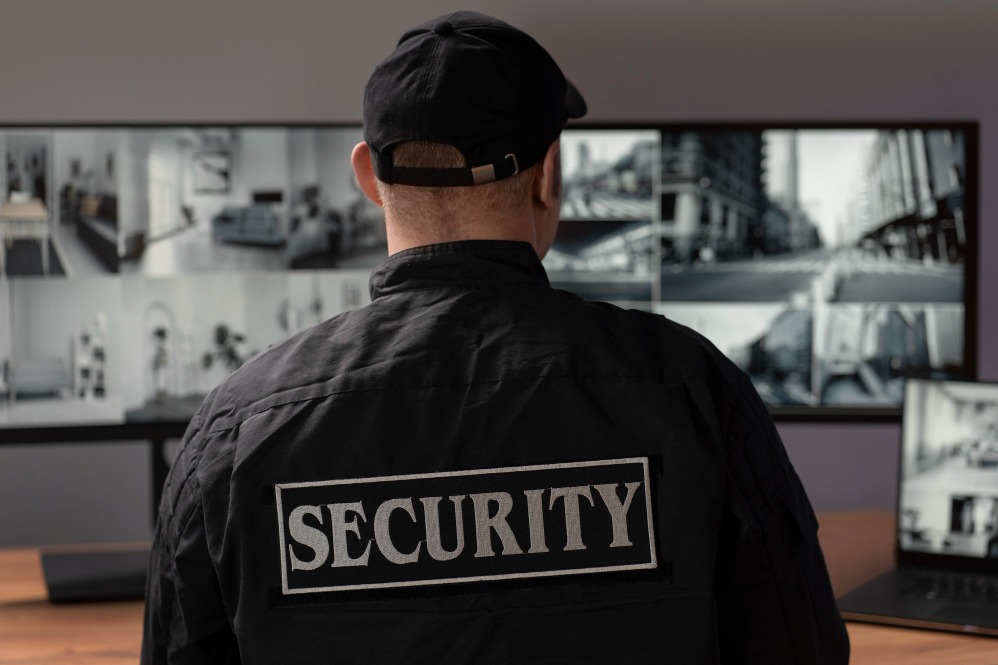
Office security becomes more complex as an organization grows. More employees often mean more visitors, vendors, deliveries, assets, parking activity, and restricted spaces to manage. Corporate Security Services should therefore evolve with workplace operations instead of remaining limited to basic entrance guarding.
For businesses in Wakad, where office and commercial development continues alongside major residential growth, a structured security approach can support both protection and smoother day-to-day movement.
Access Control Should Match Workplace Structure
Not every person entering an office requires the same level of access.
Employees may have established credentials, while visitors may need verification and temporary access. Contractors and vendors may require permission for particular areas or time periods.
Security procedures should clearly define these categories so guards can apply rules consistently.
This is particularly important in offices containing server rooms, document storage, inventory areas, executive zones, or other restricted spaces.
Material Movement Requires Documentation
Laptops, equipment, tools, documents, samples, and other assets may regularly move in and out of business premises.
A gate-pass or authorization process helps security personnel distinguish approved movement from irregular activity.
The procedure should be simple enough to follow consistently while still creating a reliable record.
Reception and Security Need Coordination
At many offices, reception personnel and security guards handle different stages of the same visitor journey.
Poor coordination can create delays or allow gaps in verification.
A defined workflow can establish:
- Who verifies the visitor
- Who contacts the employee being visited
- What visitor details are recorded
- Whether a pass is issued
- Which areas the visitor may access
- How departure is recorded
Clear responsibilities make the process more professional for legitimate visitors while preserving access controls.
After-Hours Operations Need Separate Planning
Security requirements often change outside normal office hours.
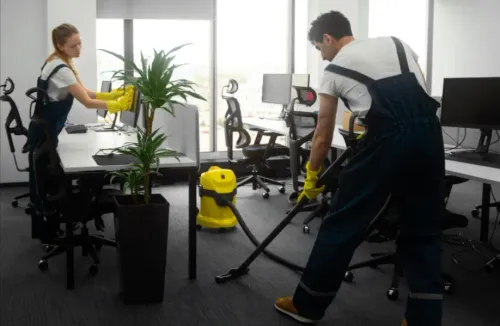
Fewer employees may be present, some entrances may be closed, and cleaning or maintenance teams may work during these periods. Guards therefore need specific instructions regarding authorized after-hours access.
Organizations operating multiple shifts require additional attention because security processes must remain consistent throughout the day and night.
Evaluate the System Behind the Guards
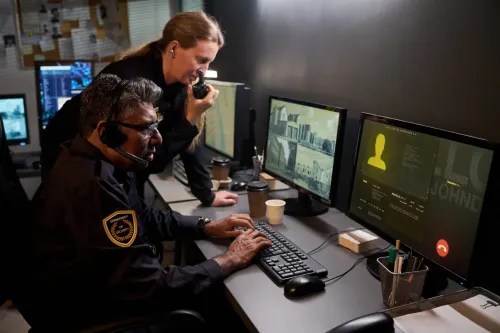
Businesses assessing security providers should consider recruitment, training, attendance management, replacement arrangements, supervisor visits, reporting, and escalation procedures.
Kilo Services provides services within this operational environment for organizations in Pune, Maharashtra. For a Wakad office, the suitability of any provider should be assessed against the property's operating hours, access points, workforce size, and specific security responsibilities.
Corporate security works best when it supports business activity without creating unnecessary obstacles. Employees should be able to work efficiently, authorized visitors should move through a clear process, and unusual activity should be identified and reported promptly.
That balance comes from defined procedures and consistent supervision rather than simply increasing the number of guards.