Keeping a large property operational requires coordination across many routine activities that occupants rarely notice until something goes wrong. A professional Facility Management Company helps organize these activities so that workplaces, residential developments, and commercial premises remain clean, functional, orderly, and properly supported.
In a rapidly developing area such as Wakad, property managers increasingly deal with larger buildings, higher occupancy, more visitors, and greater expectations regarding cleanliness and service standards.
What Does Facility Management Actually Cover?
Facility management can involve several support functions depending on the property.
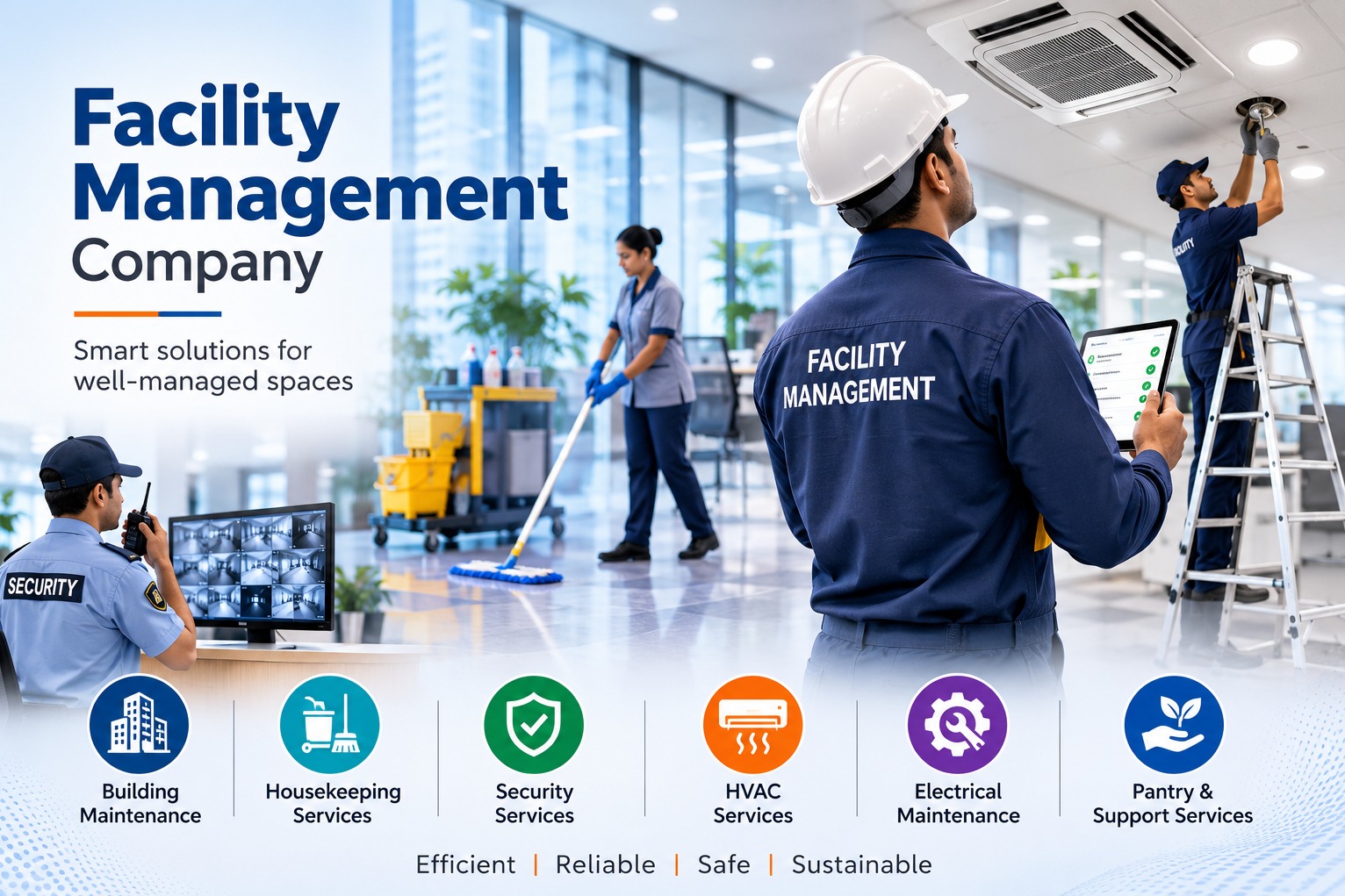
Common responsibilities include housekeeping coordination, security support, pantry operations, office assistance, common-area upkeep, manpower deployment, and routine supervision.
The objective is not simply to provide workers. Effective facility management establishes processes for how those workers perform, report, and coordinate their duties.
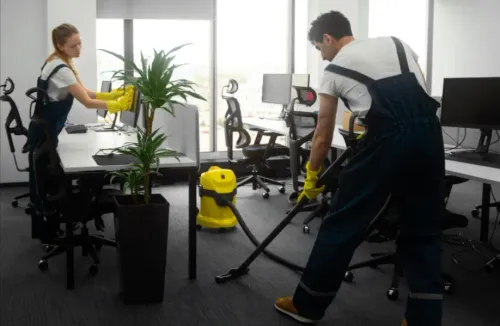
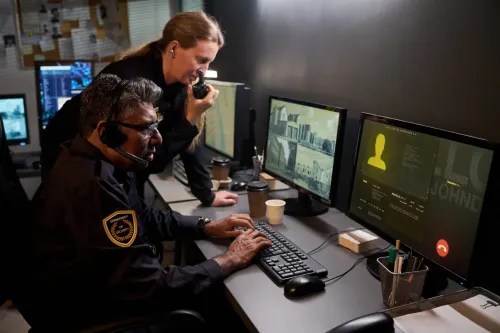
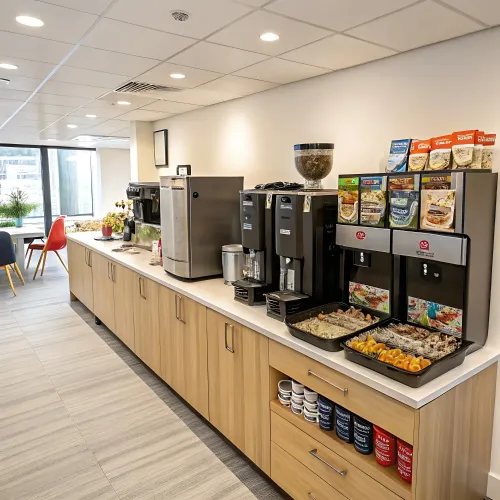
For example, housekeeping staff may follow area-wise cleaning schedules, while supervisors inspect completed work and address deficiencies. Security personnel may maintain visitor records and patrol schedules. Pantry teams may follow hygiene and replenishment routines.
Why Centralized Coordination Helps
Managing each support service separately can create administrative complexity.
A property manager may have to coordinate attendance, replacements, shift schedules, supplies, complaints, and performance issues across multiple vendors. When related facility services are managed through a structured system, accountability can become clearer.
Centralized coordination can also help identify overlapping responsibilities. Cleaning staff, office support personnel, security teams, and supervisors can operate according to common site procedures instead of functioning as disconnected groups.
Facility Requirements Differ by Property
There is no universal facility-management model.
An IT office may prioritize workplace hygiene, reception support, pantry management, and controlled access. A residential complex may place greater emphasis on common-area cleaning, gate management, and routine supervision.
Industrial premises may have different safety protocols and cleaning requirements altogether.
Before defining staffing, a site assessment should consider:
- Property size and layout
- Occupancy
- Operating hours
- Footfall
- Number of service areas
- Cleaning frequency
- Security requirements
- Shift patterns
- Expected service levels
Supervision Makes the Difference
Manpower without supervision can lead to inconsistent outcomes.
Supervisors help verify attendance, assign daily responsibilities, inspect service quality, manage replacements, communicate with the client, and resolve operational issues.
This becomes increasingly important for larger properties in Wakad and the broader Pune region of Maharashtra, where multiple support teams may work simultaneously.
Kilo Services operates across such facility-support requirements, making site-specific planning an important part of determining appropriate manpower and service processes.
Well-managed facilities generally feel effortless to occupants because routine work happens before it becomes a visible problem. Clean common areas, organized entrances, stocked pantry spaces, responsive support staff, and clearly assigned responsibilities are all signs that facility operations are being managed systematically rather than reactively.