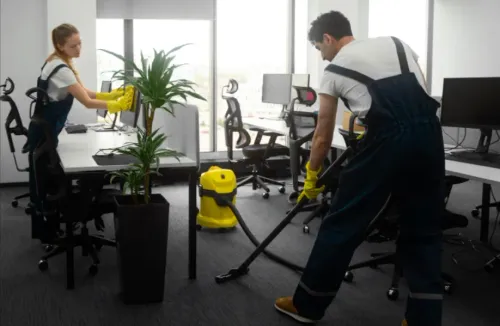

A workplace can look clean at the beginning of the day and still develop hygiene problems within a few hours. High-touch surfaces, washrooms, pantry areas, entrances, workstations, and common spaces all experience different levels of use. Effective Housekeeping Services therefore depend on planned cleaning frequencies rather than occasional cleaning whenever an area appears dirty.
This is especially relevant in Hinjewadi, where large offices and commercial facilities may accommodate substantial employee, visitor, and vendor movement every day.
Divide the Workplace Into Cleaning Zones
A practical housekeeping plan begins by dividing the property according to usage.
High-traffic zones such as receptions, lifts, corridors, washrooms, and cafeterias usually need more frequent attention. Low-traffic spaces may require scheduled cleaning at longer intervals.
This approach helps deploy housekeeping manpower where it creates the greatest operational value.
Give Extra Attention to High-Touch Areas
Visible dust is only one aspect of workplace cleanliness.
Frequently touched surfaces can include:
- Door handles
- Lift buttons
- Reception counters
- Railings
- Meeting-room tables
- Common switches
- Pantry counters
- Washroom fixtures
Including these surfaces in routine cleaning schedules helps maintain more consistent hygiene throughout working hours.
Use Checklists for Repetitive Tasks
When several employees share cleaning responsibilities, verbal instructions alone can result in missed tasks.
Area-specific checklists create clarity. They can identify what needs cleaning, how often it should be cleaned, who is responsible, and when the task was completed.
Supervisors can then inspect work against defined expectations rather than relying only on visual impressions.
Manage Washrooms and Pantries Differently
Washrooms and pantry areas require specialized routines because their hygiene risks and cleaning requirements differ from ordinary office floors.
Washroom schedules should account for usage levels, fixture cleaning, floor condition, waste disposal, consumable replenishment, and odour control.
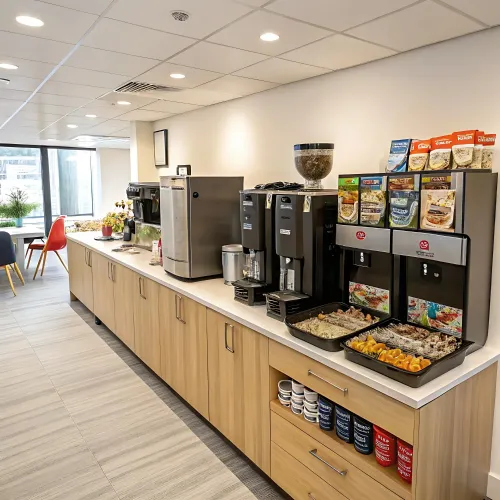
Pantry housekeeping should focus on counters, sinks, floors, waste bins, food-contact surroundings, and spill management.
Using appropriate cleaning tools for different zones also helps reduce cross-contamination.
Adjust Frequency to Occupancy
An office with 50 employees should not necessarily follow the same schedule as a facility accommodating hundreds of people.
Hinjewadi's major commercial and technology ecosystem means occupancy levels can vary significantly between properties. Facility managers should therefore base cleaning frequency on actual footfall, operating hours, and workspace usage.
Kilo Services can support this type of structured housekeeping planning for properties in Pune, Maharashtra, where consistent daily maintenance is more useful than a one-size-fits-all schedule.
A successful housekeeping system is ultimately preventive. Rather than waiting for bins to overflow, washrooms to become untidy, or common areas to look neglected, scheduled cleaning addresses tasks at appropriate intervals.
That consistency improves the appearance and usability of the workplace while giving employees, visitors, and facility managers a clearer standard of everyday cleanliness.